

As a brand with 16 years of experience in bicycle R&D and end-to-end production, FOXTER not only provides global users with high-performance road bikes, mountain bikes, endurance bikes, and gravel bikes, but also aims to help every cycling enthusiast use their bikes scientifically, ride safely, and enjoy cycling. This article compiles practical cycling tips and experiences suitable for both beginners and advanced riders, covering posture, gear shifting, braking, climbing, descent, maintenance, and safety, helping you avoid detours and improve your experience.
I. Do These 3 Things First: Double Your Cycling Efficiency
1. Saddle and Handlebars: The Golden Triangle Adjustment
Saddle Height: Heel at its lowest point, legs just straight; push off with the balls of your feet, knees slightly bent.
Handlebar Width: Shoulder-width, wrists naturally relaxed. Keep elbows slightly bent, creating "natural shock absorption," preventing hand and back pain on long rides.
2. Correct Cycling Posture: Effortless and Knee-Protecting
Road Bike: Slightly lean forward, core engaged, elbows tucked in to reduce wind resistance.
Mountain Bike: When standing, knees slightly bent, center of gravity centered for better absorption of bumps. Change grip/seat position every 20-30 minutes to avoid localized pressure and fatigue.
3. Optimal Cadence: Riding Smoothly is worse than Speed
Road Bike: 90-110 rpm, high cadence for better knee protection and longer range.
Mountain Bike: 60-80 rpm, steady rhythm, avoids sudden acceleration, better bike control.
Tip: Apply lightly and turn quickly, don't force the large gears.
II. Core Road Bike Techniques: Fast on Flat Roads, Stable Climbing, Safe Downhill
1. Flat Road Cruising: Wind Resistance is the Biggest Enemy
Lower your upper body and tuck your elbows in to reduce your frontal area. Use the large chainring and small cassette effectively to maintain a steady speed and avoid sudden changes in speed. Riding in a group can save about 30% of your energy.
2. Climbing Techniques: Shift Gears Early, Don't Force It
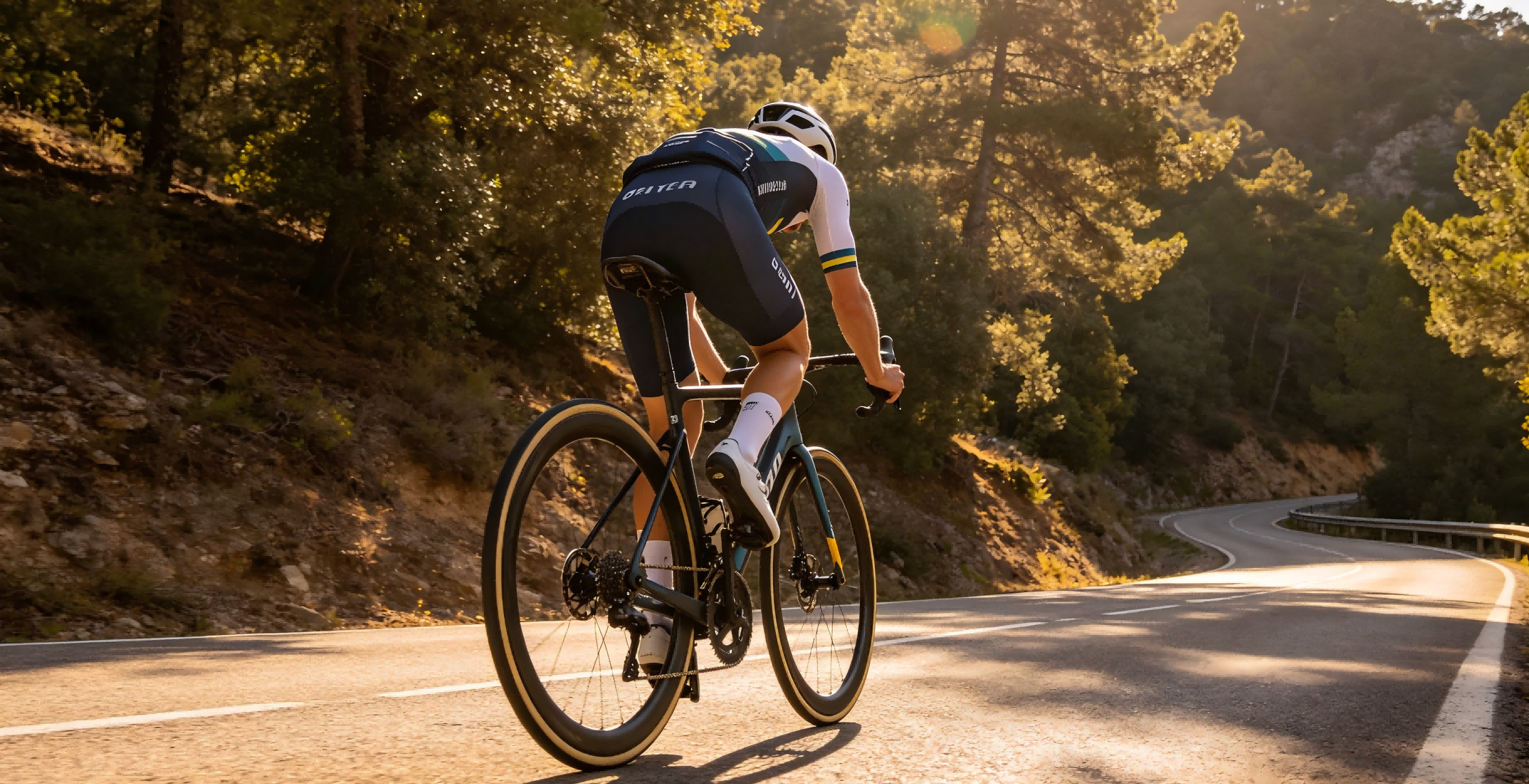
Downshift early before going uphill: use the small chainring with the large cassette to maintain cadence. Lean slightly forward to shift your weight forward and prevent rear wheel spin. Alternate between sitting and standing positions for long climbs to avoid fatigue.
3. Downhill and Cornering: Speed Control is Paramount
Shift your weight backward, bend your arms slightly, and look ahead, not at the wheel. Use intermittent braking to control speed: first apply the rear brake, then lightly apply the front brake to avoid locking up. Slow down before entering a corner, lean towards the apex, and keep your eyes on the exit direction.
4. Gear Logic: No Bike Damage, Smoother Shifting
Shift gears while moving, avoid abruptly engaging while stationary. Avoid large chainrings pulling large sprockets or small chainrings pulling small sprockets to reduce chain wear. Downshift early in case of headwinds or bumpy roads to maintain smooth power delivery.
III. Mountain Bike Core Techniques: Stability on Rough Roads, Safety Off-Road
1. Rough/Gravel Roads: Relaxation is Key Squat slightly off the seat, arms slightly bent, use your body to absorb shocks. Grip the handlebars with a moderate grip, center of gravity, wheels on the ground. Avoid sudden braking, maintain a steady speed.
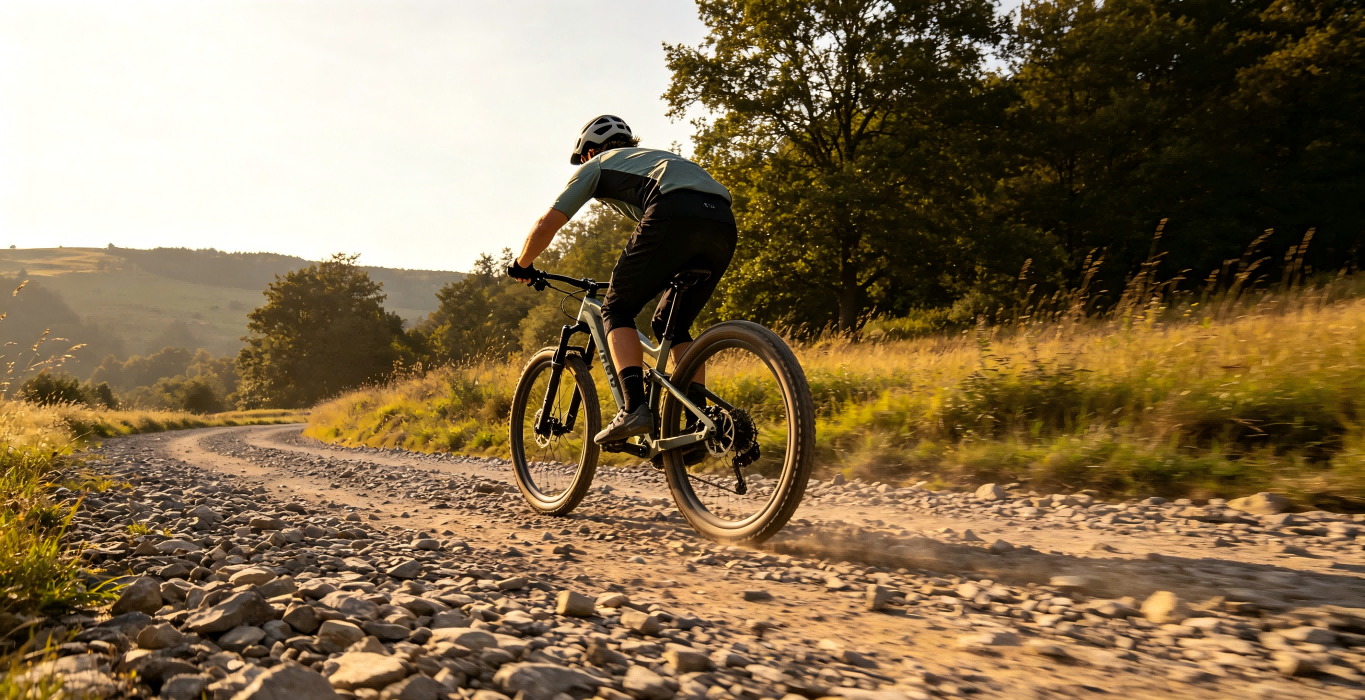
2. Uphill: Shift weight forward to prevent wheelies. Shift to lighter gears early, pedal at a steady pace. Move forward, chest close to the handlebars, to prevent rear wheel slippage. Riding in a zigzag pattern on steep slopes is more energy-efficient and safer.
3. Downhill: Shift weight backward, speed control is key. Move your hips back, beyond the saddle, lower your center of gravity to prevent forward rollover. Use intermittent braking, with the front brake providing about 70% of the braking force, combined with the rear brake for speed control. Avoid high-speed dives, anticipate potholes and obstacles in advance.
4. Braking Safety: Front brake as primary, rear brake as secondary. Flat/Downhill: 60% front brake + 40% rear brake. Wet/Slippery Roads: Gentle braking to avoid skidding. Emergency braking: Weight shifts backward, prioritize applying the front brakes.
IV. Essential Reading for Long-Distance Cycling: Range and Health Tips
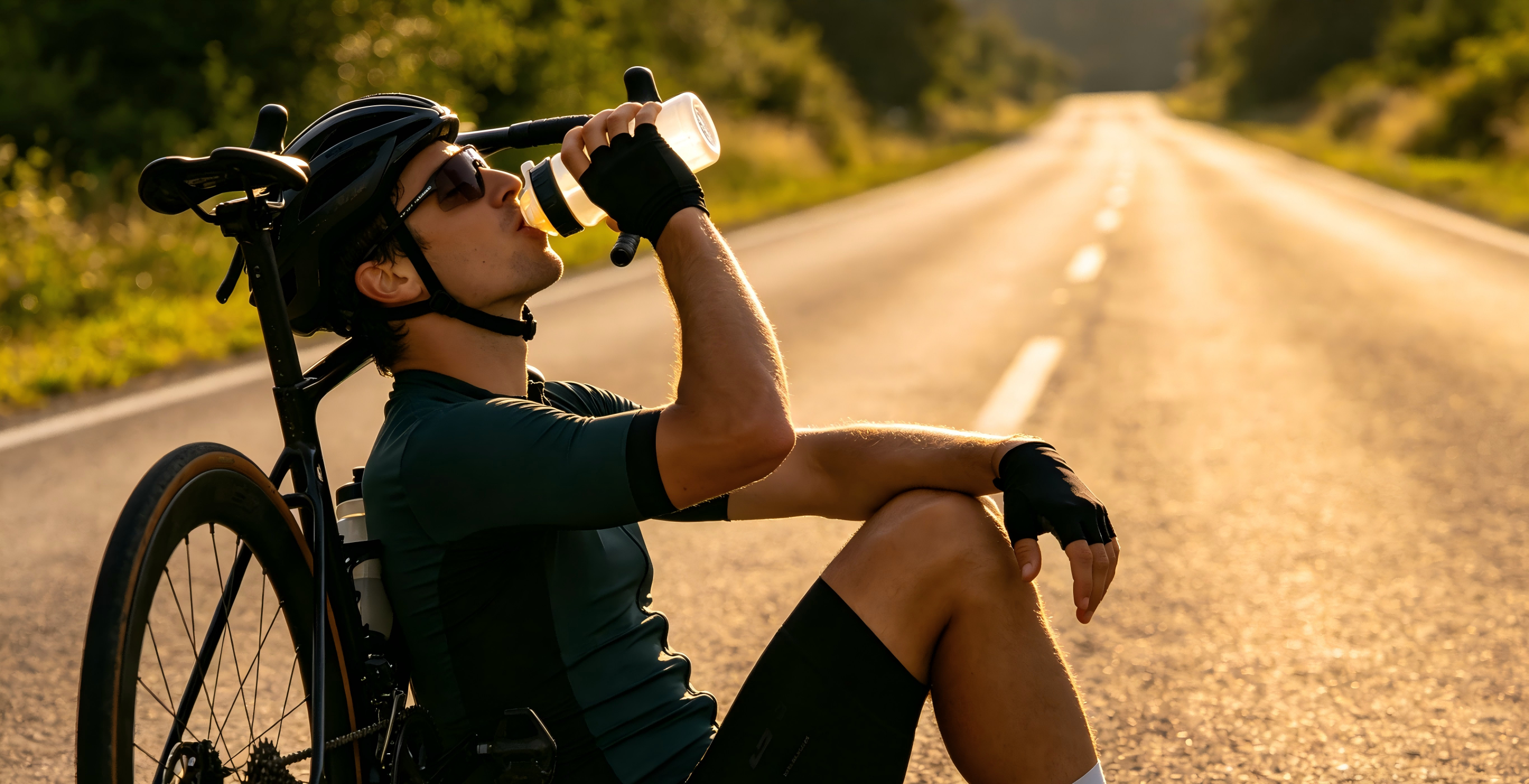
1. Hydration and Energy Replenishment: Drink water every 15-20 minutes, and replenish small amounts of carbohydrates every hour; follow the principle of eating before you get hungry and drinking when you're thirsty.
2. Breathing Rhythm: Inhale through your nose and exhale through your mouth, maintain a steady pace, and avoid holding your breath.
3. Warm-up and Cool-down: Ride slowly for 5 minutes before starting; stretch your thighs, calves, and lower back afterward.
4. Essential Equipment: Helmet, gloves, taillight, tire repair kit, mobile phone, and emergency contact information.
V. FOXTER Model Compatibility Recommendations
For speed and long-distance endurance: Choose a 700c road bike/endurance road bike with Shimano shifting for comfort and efficiency.
For off-road, forest trails, and challenging terrain: Choose a full-suspension mountain bike/carbon fiber hardtail MTB for excellent off-road capability and stable handling.
For city commuting and light off-roading: Choose a Gravel bike/hybrid bike for versatility.
For convenient travel and urban commuting: Folding bikes are the best choice—lightweight and easy to store.
Cycling is more than just transportation and exercise; it's a lifestyle. Mastering the correct techniques not only allows you to ride further, more effort, and more safely, but also extends the life of your bike and enhances your experience. FOXTER has focused on cycling R&D and end-to-end production for 15 years, adhering to the principle of "BE STRONG, KEEP FORWARD", using self-developed frames, high-quality components, and reliable quality to accompany every rider safely forward.
Visit our website for more information on bike models and cycling tips: https://www.ridefoxter.com/